
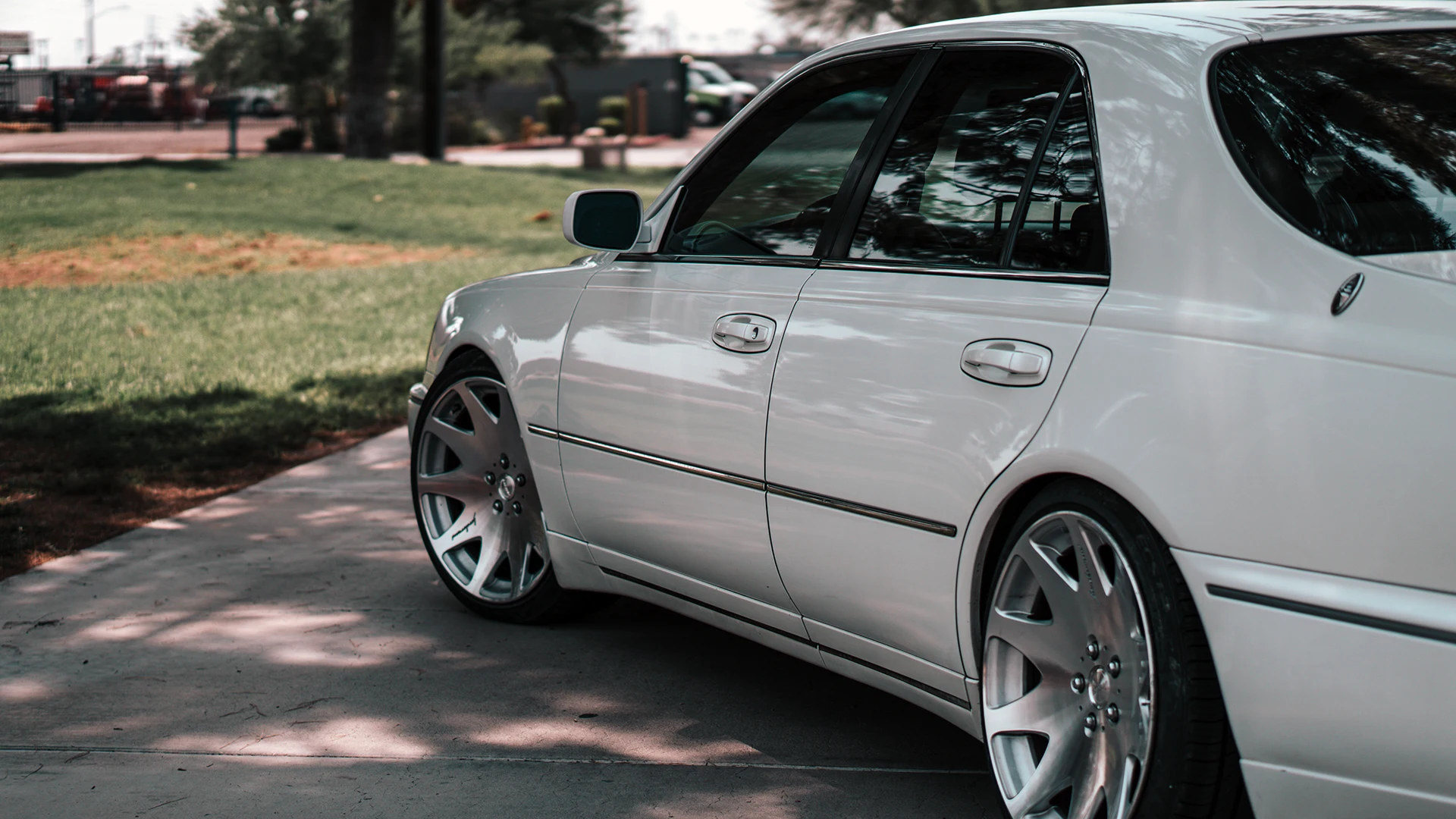
SunTek CeramicIR Window Tint
SunTek CeramicIR is our premium ceramic tint for drivers who want strong heat and infrared performance without stepping all the way up to Evolve. Ceramic nanoparticle technology, strong UV protection and a clean non-reflective finish make it a strong fit for Arizona driving—all professionally installed at our Peoria shop.
Ceramic
Ceramic Technology
58–60% IRER
Published infrared-energy rejection
83–86% SIRR
Published selective IR rejection
UV Protection
>99% on CIR 70–5; >97% on CIR 80
Why CeramicIR Works So Well in Arizona
Arizona puts window film performance to work every day. When sunlight is coming through the windshield and side glass, reducing both total solar energy and infrared energy can make the cabin noticeably more comfortable.
CeramicIR uses a layer of non-metal ceramic nanoparticles to increase heat and infrared rejection while maintaining a clean, non-reflective appearance and clear electronic communication inside the vehicle.
Across the current shade range, SunTek publishes IRER ratings of 58% to 60% and SIRR ratings of 83% to 86%.
For drivers who want premium ceramic performance above Carbon XP without necessarily moving all the way to Evolve, CeramicIR fits right in the middle of the SunTek lineup.
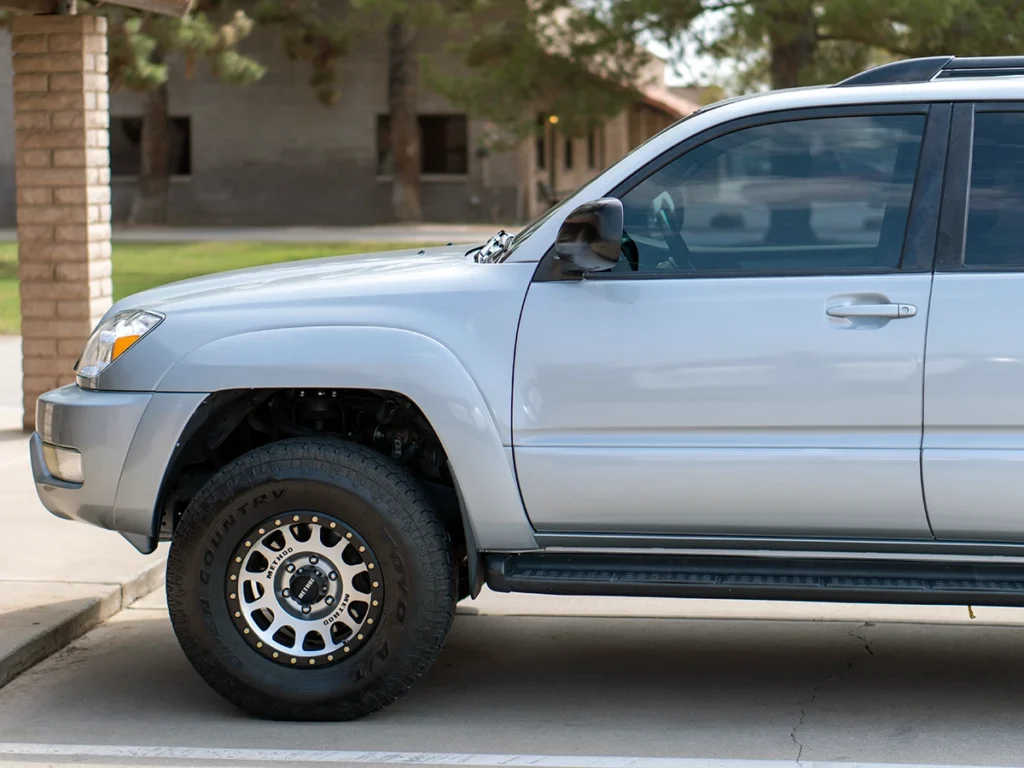
What You Get With SunTek CeramicIR
CeramicIR combines advanced ceramic construction with strong heat rejection, infrared performance and the clean appearance expected from a premium automotive tint.
Ceramic Nanoparticle Technology
CeramicIR uses a layer containing ceramic nanoparticles that are invisible to the eye but help improve solar and infrared performance.
Strong Infrared Performance
Published IRER ratings range from 58% to 60%, with SIRR ratings from 83% to 86% depending on the shade.
UV Protection
CeramicIR provides strong UV protection to help reduce UV exposure to passengers and vehicle interiors.
UV protection and heat rejection measure different things. Our UV protection guide explains the difference and what to check when comparing window films.
Signal Friendly
Its non-metal ceramic construction allows phones, GPS, Bluetooth and other electronic signals to operate normally inside the vehicle.
Non-Reflective Appearance
CeramicIR is formulated for a clean, non-reflective appearance that complements the vehicle rather than giving the glass a metallic look.
Lifetime Limited Warranty
SunTek CeramicIR is backed by a manufacturer’s lifetime limited warranty against covered issues including peeling, cracking, adhesive failure, delamination and change in color.
SunTek CeramicIR Performance by Shade
CeramicIR maintains strong infrared performance throughout the shade range. The larger differences between shades are visible light transmission, glare reduction and total solar energy rejection.
| Film | VLT | TSER | Glare Reduction | UV Protection | IRER | SIRR |
|---|---|---|---|---|---|---|
| CIR 80 | 78% | 42% | 11% | >97% | 58% | 83% |
| CIR 70 | 71% | 46% | 19% | >99% | 59% | 85% |
| CIR 60 | 63% | 47% | 28% | >99% | 59% | 84% |
| CIR 50 | 52% | 50% | 40% | >99% | 59% | 85% |
| CIR 40 | 44% | 52% | 50% | >99% | 59% | 84% |
| CIR 30 | 33% | 55% | 63% | >99% | 59% | 85% |
| CIR 20 | 22% | 58% | 75% | >99% | 59% | 85% |
| CIR 15 | 15% | 60% | 83% | >99% | 60% | 86% |
| CIR 5 | 5% | 62% | 94% | >99% | 58% | 83% |
VLT — Visible Light Transmission: the percentage of visible light that passes through the film and test glass.
TSER — Total Solar Energy Rejection: the percentage of total solar energy rejected by the film-and-glass system.
IRER — Infrared Energy Rejection: a broader measurement of infrared heat performance that includes absorbed and re-radiated infrared energy.
SIRR — Selective Infrared Rejection: the percentage of solar infrared radiation that is not directly transmitted through the glass.
Manufacturer specifications are calculated using nominal 1/4-inch clear glass. Actual results vary depending on the vehicle glass, factory tint, film shade and measurement method.
What Do CeramicIR’s Infrared Ratings Actually Mean?
CeramicIR carries two manufacturer-published infrared ratings: IRER and SIRR. They measure infrared performance differently, which is why the percentages are not the same.
Depending on the shade, CeramicIR’s published IRER ranges from 58% to 60%. IRER is the more complete measurement because it accounts for infrared energy transmitted through the glass as well as energy absorbed and later re-radiated.
Published SIRR ranges from 83% to 86%. SIRR focuses on solar infrared radiation that is not directly transmitted through the film-and-glass system.
A handheld infrared meter in our shop may display a different percentage because many shop meters measure infrared energy at a particular wavelength rather than using the same testing methodology SunTek uses for IRER and SIRR.
We use meter demonstrations as a useful way to compare films in person, but we do not treat the handheld-meter reading as interchangeable with SunTek’s published IRER or SIRR specifications.
Where CeramicIR Fits in the SunTek Lineup
Carbon XP, CeramicIR and Evolve all provide meaningful infrared performance. The difference is how far you want to move up in technology and heat rejection.
Carbon XP
Carbon XP uses SunTek’s non-metal nano-hybrid carbon technology and delivers strong heat rejection for the price.
Published performance:
54–56% IRER
76–79% SIRR
CXP is a strong choice when you want meaningful infrared performance without stepping into a ceramic film.
CeramicIR
CeramicIR moves into SunTek’s ceramic technology and increases both infrared and overall solar performance.
Published performance:
58–60% IRER
83–86% SIRR
It’s a good fit when you want premium ceramic performance without going all the way to Evolve.
You’re viewing CeramicIR.
Evolve
Evolve is SunTek’s highest-performing automotive ceramic film and uses HeatResist™ nanoparticle technology.
Published performance:
64–65% IRER
93–94% SIRR
Choose Evolve when maximum heat and infrared performance are the priority.
Choosing the Right CeramicIR Shade
CeramicIR uses the same ceramic technology throughout the shade range, so your shade choice mainly comes down to appearance, privacy, glare, visibility and how much visible light you want coming through the glass.
Lighter CeramicIR Shades
CIR 80, 70 and 60 keep the glass relatively light while still providing ceramic heat and infrared performance. These shades work well when visibility and a subtle appearance are priorities.
Mid-Range CeramicIR Shades
CIR 50, 40 and 30 create a more noticeable tinted appearance while increasing glare reduction and privacy without moving into the darkest options.
Darker CeramicIR Shades
CIR 20, 15 and 5 provide substantially more privacy and glare reduction. Because these shades create a much darker finished appearance, nighttime visibility and applicable tint laws should be considered before choosing them.
We can show you the CeramicIR shades in person and help you choose based on your vehicle, existing factory glass and the finished appearance you want.
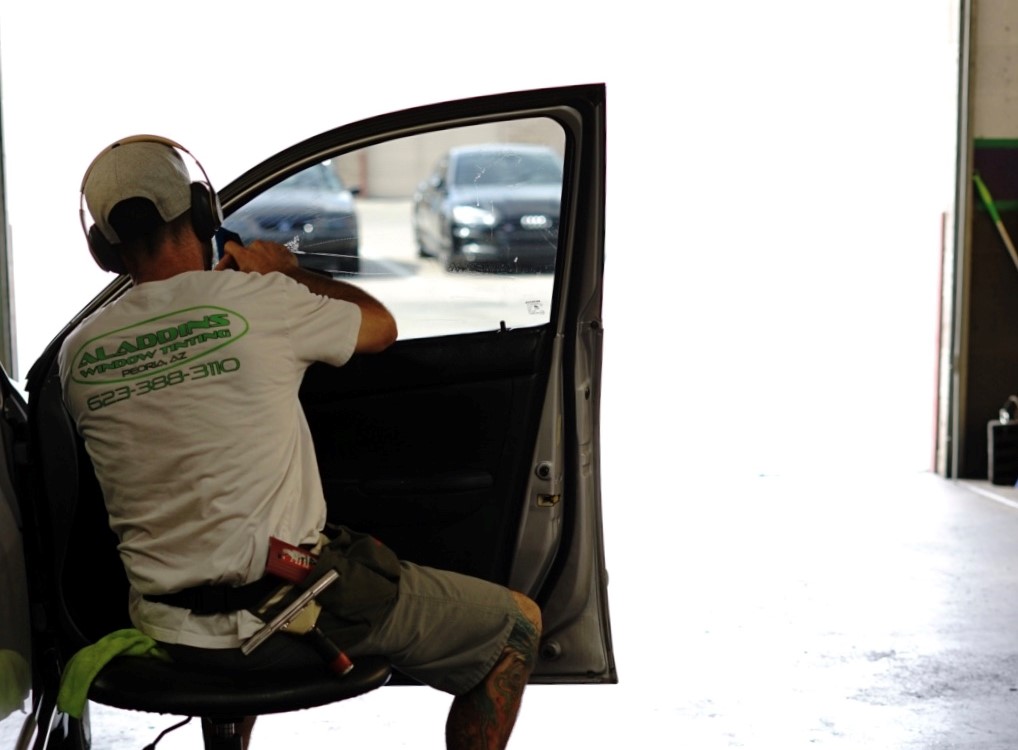
Professional CeramicIR Installation in Peoria, AZ
SunTek CeramicIR is installed at our Peoria shop by experienced window film installers who work with these products every day.
Before installation, we’ll walk you through the available shades, explain how CeramicIR compares with Carbon XP and Evolve, and account for any factory-stained privacy glass already on the vehicle.
The goal is to help you choose the right film and shade first, then give you a clean installation that looks like it belongs on the vehicle.
SunTek CeramicIR Window Tint FAQs
Is SunTek CeramicIR actually a ceramic tint?
Yes. CeramicIR uses SunTek’s ceramic non-metal technology with a layer containing ceramic nanoparticles designed to improve solar and infrared performance.
How much infrared does CeramicIR reject?
Depending on the shade, SunTek publishes IRER ratings of 58% to 60% and SIRR ratings of 83% to 86% for CeramicIR. Those are two different infrared measurements, so the percentages should not be treated as interchangeable.
Is CeramicIR better than Carbon XP?
If ceramic construction and higher infrared performance are priorities, CeramicIR is the step up. Carbon XP already provides strong infrared rejection using nano-hybrid carbon technology, while CeramicIR increases the published IRER and SIRR numbers and moves into SunTek’s ceramic technology.
Is Evolve better than CeramicIR?
Evolve is SunTek’s highest-performing automotive tint and has higher published infrared ratings than CeramicIR. CeramicIR still provides strong premium ceramic performance, while Evolve is the better choice when maximum heat and infrared rejection are the priority.
Does CeramicIR interfere with phones, GPS or Bluetooth?
No. CeramicIR uses non-metal ceramic construction designed to maintain clear electronic communication for devices such as phones, GPS and Bluetooth systems.
What shades does CeramicIR come in?
The current CeramicIR lineup includes CIR 80, 70, 60, 50, 40, 30, 20, 15 and 5. Keep in mind that the number in the film name is not necessarily the exact finished VLT once the film is installed over automotive glass.
Does CeramicIR have a lifetime warranty?
Yes. SunTek CeramicIR is backed by a manufacturer’s lifetime limited warranty against covered issues including peeling, cracking, adhesive failure, delamination and change in color. Certain restrictions apply under the manufacturer’s warranty terms.
Compare Our SunTek Window Films
Choosing CeramicIR comes down to what you want from your tint. Our carbon vs. ceramic window tint guide compares similar shades so you can weigh the heat-performance upgrade against your budget.
Carbon
Value-focused carbon film.
Carbon XP
Higher-performance nano-hybrid carbon with strong infrared rejection.
CeramicIR
Ceramic film with stronger solar and infrared performance.
You’re viewing CeramicIR.
Evolve
SunTek’s highest-performing automotive film.
Ready to See What CeramicIR Can Do for Your Vehicle?
Send us your year, make and model and we’ll give you exact CeramicIR pricing along with any other SunTek film options you want to compare.