
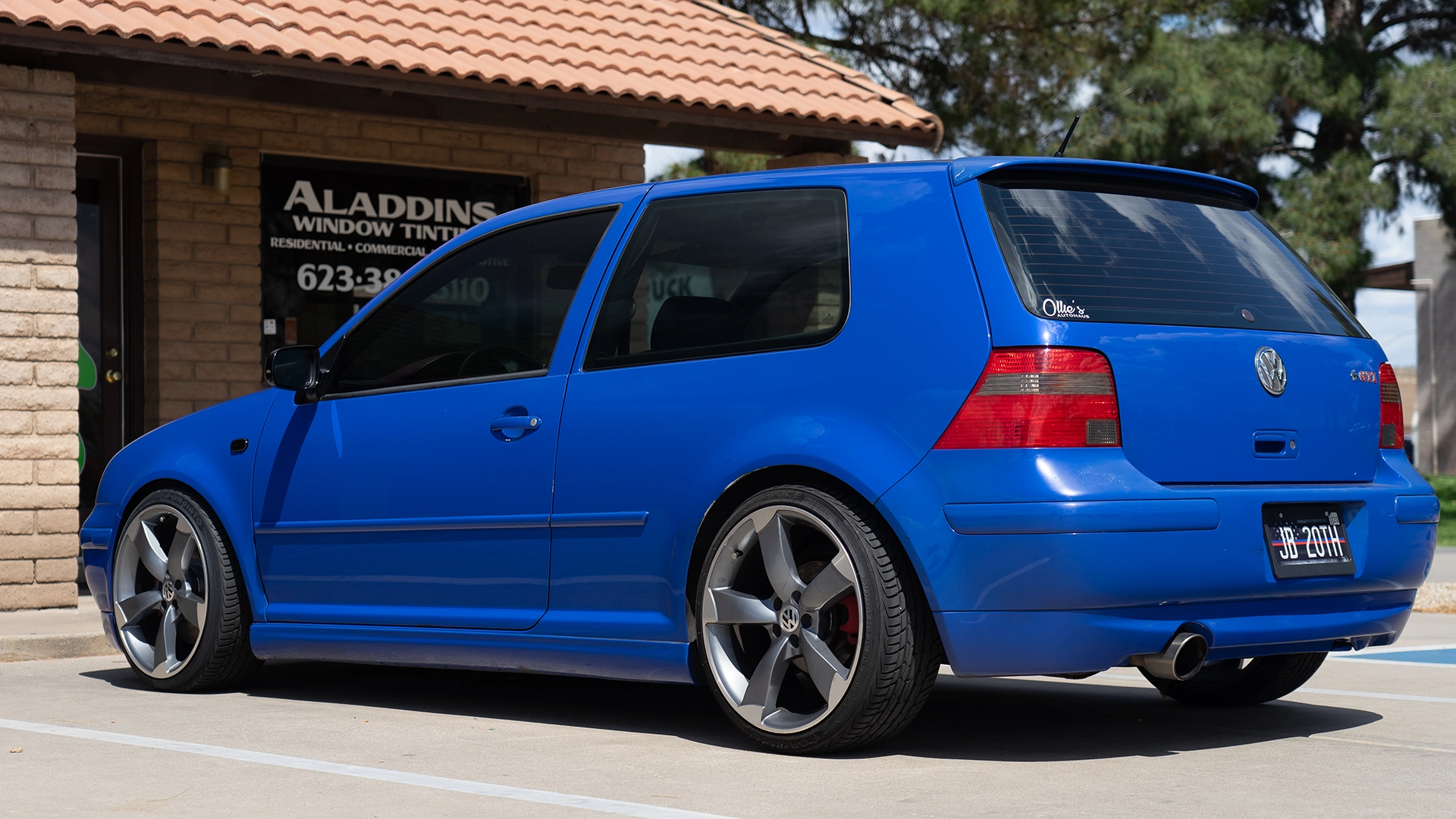
SunTek Carbon Window Tint
SunTek Carbon is our most affordable carbon window film and a solid choice for drivers who want a clean, non-reflective black appearance, excellent UV protection and dependable solar performance without stepping up to one of SunTek’s higher infrared-performance films.
Carbon Technology
Non-metal carbon construction
Non-Reflective Finish
Clean black appearance
>99% UV Protection
Across the Carbon shades listed by SunTek
Lifetime Limited Warranty
Manufacturer-backed coverage*
A Better Starting Point Than Basic Dyed Tint
SunTek Carbon is the entry point to the carbon-film lineup we install at Aladdins. Instead of relying on a conventional dyed construction, Carbon uses carbon technology to provide a stable, non-reflective appearance along with heat, glare and UV protection.
The biggest reason we recommend Carbon is value. It gives you a quality film, a clean black finish and a manufacturer’s lifetime limited warranty without paying for the additional infrared-rejection technology found in CXP and our ceramic films.
If your priorities are appearance, privacy, UV protection and keeping the price down, Carbon makes a lot of sense. If reducing the heat you feel through the glass is one of your biggest priorities—especially in Arizona—we’ll usually show you CXP, CeramicIR and Evolve as well so you can compare the difference.
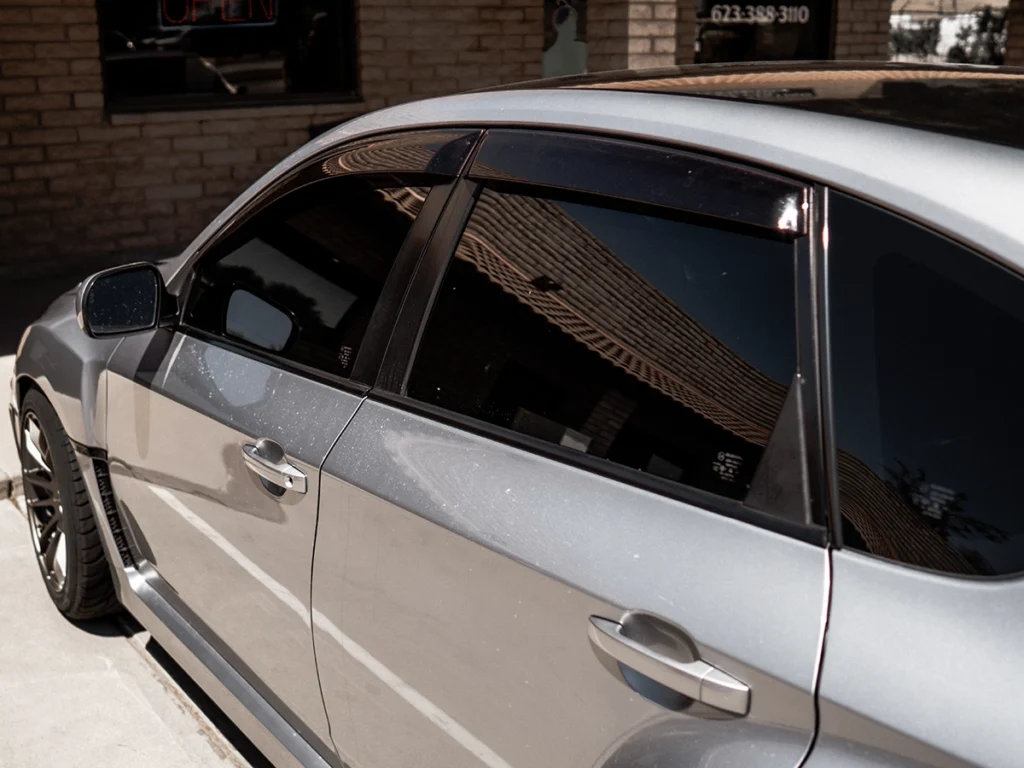
What You Get With SunTek Carbon
Carbon is designed for drivers who want a quality window film without paying for performance features they may not need.
Non-Reflective Black Appearance
Carbon creates a dark, clean appearance without the highly reflective look associated with some metallic films.
UV Protection
SunTek’s current specifications show greater than 99% ultraviolet protection across the Carbon shades listed in its automotive performance data.
See why strong UV protection doesn’t require choosing the most expensive window film.
Glare Reduction
Darker shades progressively reduce visible glare, helping improve comfort in bright Arizona driving conditions.
Signal Friendly
Carbon construction does not rely on metal, allowing cellular, GPS, radio and other electronic signals to operate normally.
Color Stability
SunTek backs Carbon with a lifetime limited manufacturer warranty that includes protection against color change, subject to the warranty terms.
Multiple Shade Options
Carbon is available across a wide range of visible-light-transmission levels, allowing us to tailor the appearance and privacy to the vehicle and your preference.
SunTek Carbon Performance by Shade
Tint darkness and solar performance are related, but they are not the same thing. SunTek publishes different performance values for each Carbon shade, so choosing a darker film changes both the appearance and some of the film’s solar performance.
| Film | VLT | TSER | Glare Reduction | UV Protection |
|---|---|---|---|---|
| Carbon 85 | 81% | 28% | 8% | >99% |
| Carbon 70 | 67% | 27% | 24% | >99% |
| Carbon 55 | 55% | 31% | 38% | >99% |
| Carbon 45 | 44% | 34% | 50% | >99% |
| Carbon 38 | 38% | 37% | 57% | >99% |
| Carbon 35 | 36% | 38% | 59% | >99% |
| Carbon 25 | 25% | 40% | 72% | >99% |
| Carbon 18 | 18% | 44% | 80% | >99% |
| Carbon 5 | 5% | 46% | 94% | >99% |
VLT = Visible Light Transmission, or approximately how much visible light passes through the tested film/glass system. TSER = Total Solar Energy Rejected, which is a broader measure of overall solar-energy performance.
These numbers are manufacturer test data—not the final VLT your vehicle will necessarily meter after installation. Factory glass already has its own visible-light transmission, so the finished reading depends on the combination of the glass and film.
What About Infrared Heat Rejection?
This is where Carbon and the higher-performance films in our lineup separate.
SunTek does not publish an IRER or SIRR infrared-rejection rating for the Carbon Series in its current automotive specifications. That does not mean Carbon rejects no infrared energy.
In our own shop testing, SunTek Carbon will typically show approximately 20% infrared rejection on a handheld IR meter, depending on the shade, glass and measurement conditions.
It’s important to understand that a handheld IR-meter reading is not the same measurement as SunTek’s published IRER or SIRR figures. Those manufacturer ratings use defined testing methods, while many shop meters measure infrared energy at a specific wavelength. For that reason, we don’t present the two numbers as directly interchangeable.
In practical terms, Carbon provides some infrared and overall solar-energy reduction, but it is not the film we recommend when maximum heat rejection is the priority. That’s where Carbon XP, CeramicIR and Evolve begin to separate themselves. If Arizona heat is one of your main reasons for tinting, we can meter the films and compare them with you in person so you can see the difference yourself.
SunTek Carbon vs. Carbon XP
They share the Carbon name, but they are designed for different levels of performance.
Choose Carbon If…
- You want the lowest-priced film in our carbon lineup
- Appearance and privacy are primary goals
- You want >99% published UV protection
- You want a non-reflective black finish
- Maximum heat and infrared performance are not your top priority
Choose Carbon XP If…
- Arizona heat reduction is a bigger priority
- You want published infrared-rejection performance
- You spend significant time driving in direct sun
- You want a step up in solar performance without going all the way to ceramic
Which Carbon Tint Shade Should You Choose?
The right shade depends on the look, privacy and visibility you want—and on which windows you’re tinting. We keep shade and film technology as two separate decisions: first choose the film performance you want, then choose the appropriate darkness.
Lighter Shades
Preserve more visible light while adding UV protection and some solar control. These can be useful where maintaining a lighter appearance matters.
Mid-Range Shades
A popular balance of privacy, appearance, glare reduction and everyday visibility.
Great options when combining with a factory stained privacy-glass if you don’t want to go too dark.
Darker Shades
Provide greater privacy and glare reduction with a much darker appearance. The appropriate shade also depends on the window location and applicable tint requirements.
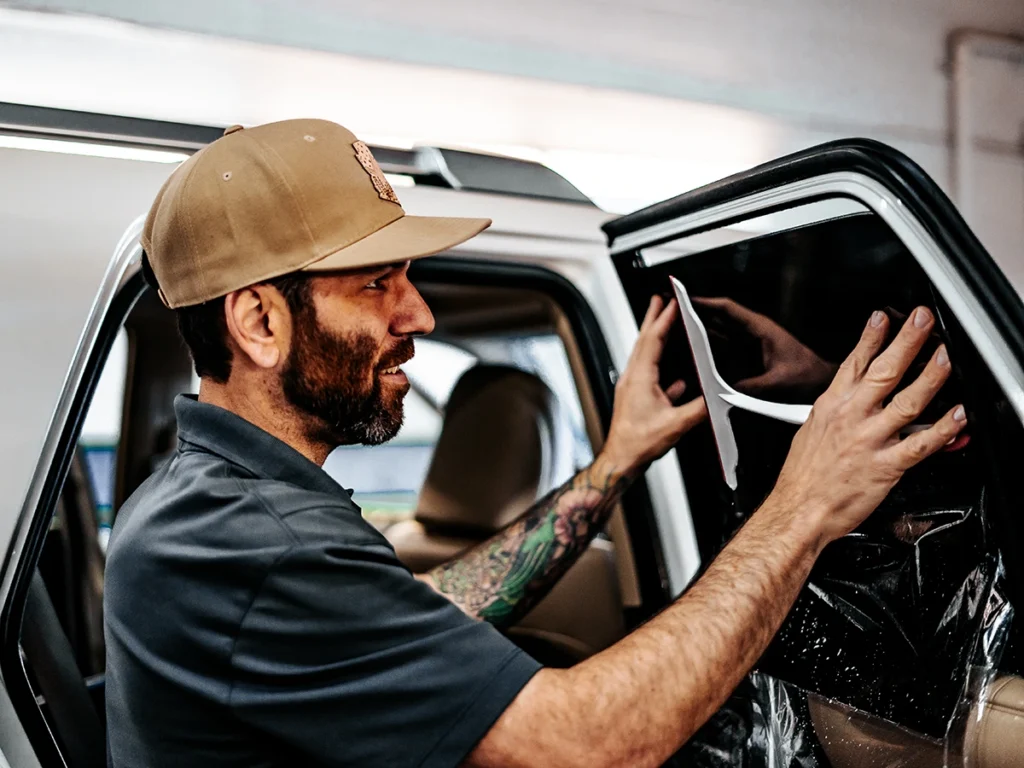
Professional Installation Matters
The film is only part of the finished result. Proper glass preparation, clean installation, accurate fit and attention to the film edge all affect how the tint looks and performs over time.
Automotive tinting is completed inside our Peoria shop where we can control the installation environment. We’ll walk you through the film and shade options before installation and inspect the finished work with you afterward.
Most automotive window tint installations take around one to two hours depending on the vehicle and scope of work, and you’re welcome to relax in our waiting area while we work.
SunTek Carbon Window Tint FAQs
Is SunTek Carbon ceramic tint?
No. Carbon is a carbon-based automotive window film. SunTek’s CeramicIR and Evolve products use different technology and are designed for higher levels of solar and infrared performance.
Does SunTek Carbon block UV rays?
SunTek’s current automotive specifications list greater than 99% ultraviolet protection for the Carbon shades in its performance table.
Does SunTek Carbon reject heat?
Yes. SunTek publishes Total Solar Energy Rejection values for Carbon ranging by shade. However, SunTek does not publish IRER or SIRR infrared-rejection figures for Carbon Series, so customers focused heavily on infrared performance should compare CXP, CeramicIR and Evolve.
Will SunTek Carbon interfere with electronics?
Carbon is non-metallic and SunTek describes it as signal-friendly, so it does not create the signal-interference concerns associated with some metal-containing films.
Does SunTek Carbon fade or turn purple?
Arizona sun is hard on automotive film, which is one reason we use SunTek film lines backed by a manufacturer’s lifetime limited warranty that includes protection against color change, subject to the warranty terms.
How much does SunTek Carbon cost?
Pricing depends on the year, make, model and which windows you want tinted. Give us your vehicle information and we can provide exact pricing before you come to the shop. Our Carbon tint pricing guide lists sides-and-back and front-window prices, plus separately priced visor strips.
Is darker Carbon tint better at blocking heat?
Darker Carbon shades generally show higher TSER values in SunTek’s published specifications, but darkness is only one part of film performance. If heat rejection is your main goal, comparing film technology is more useful than simply choosing the darkest shade.
Compare Our SunTek Window Films
Wondering what you gain by moving beyond Carbon? Our carbon vs. ceramic window tint guide compares the performance differences and explains when an upgrade may be worth the extra cost.
Carbon
Quality carbon film focused on value, appearance, UV protection and glare reduction.
You’re viewing Carbon.
Carbon XP
Enhanced carbon technology with published infrared-rejection performance.
CeramicIR
Ceramic film with higher solar and infrared performance.
Evolve
Our highest-performing SunTek automotive film for customers prioritizing maximum heat performance.
Is SunTek Carbon Right for Your Vehicle?
Tell us what you drive and what matters most to you—appearance, privacy, heat reduction or budget. We’ll help you compare Carbon with the other films we offer and give you exact pricing before you schedule.