
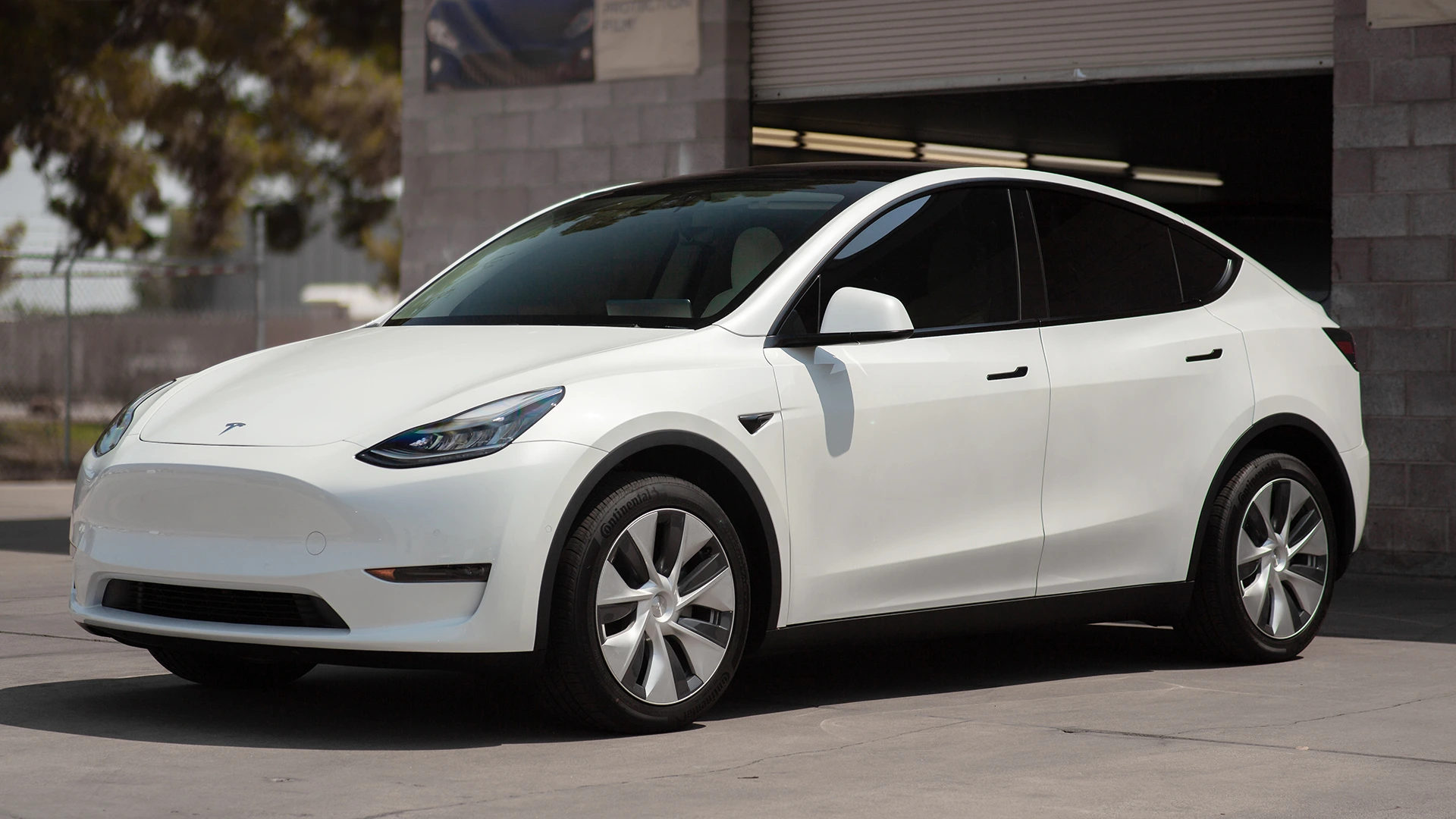
SunTek Carbon XP Window Tint
SunTek Carbon XP—often called CXP—is one of our most popular choices for Arizona drivers who want a meaningful jump in heat and infrared performance without stepping all the way up to ceramic film. Its non-metal nano-hybrid carbon construction delivers a clean, non-reflective black appearance with strong solar performance and excellent UV protection.
Nano-Hybrid Carbon
Non-metal construction
54–56% IRER
Published infrared-energy rejection
76–79% SIRR
Published selective IR rejection
>99% UV Protection
Across CXP shades
Why CXP Works So Well in Arizona
Carbon XP is where the SunTek lineup starts making a much bigger difference for customers who are tinting primarily because of Arizona heat.
CXP uses SunTek’s non-metal nano-hybrid carbon technology to increase overall solar and infrared performance while keeping the same kind of clean, non-reflective appearance people like about Carbon.
For many of our customers, CXP is the sweet spot: noticeably stronger heat performance than our entry-level Carbon film without the additional cost of moving into CeramicIR or Evolve.
If you spend a lot of time driving in direct sun, park outside regularly or simply want the vehicle to feel more comfortable, CXP is usually one of the first films we recommend comparing.
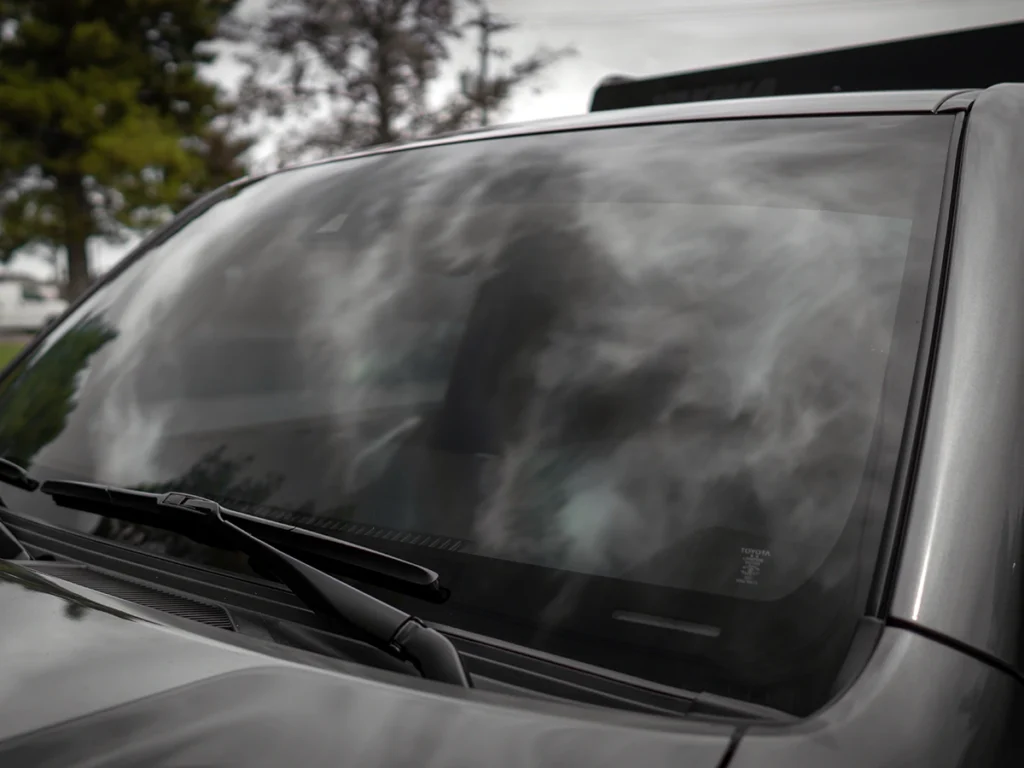
What You Get With SunTek Carbon XP
CXP combines the appearance and signal-friendly characteristics of carbon film with substantially stronger solar and infrared performance.
Strong Infrared Performance
SunTek publishes meaningful infrared-performance ratings for CXP, making it a significant step up from standard Carbon when heat reduction is a priority.
Non-Reflective Black Finish
CXP maintains a clean, dark appearance without relying on highly reflective metallic construction.
Excellent UV Protection
SunTek’s current specifications list greater than 99% UV protection across the CXP shades in its performance table.
Our guide explains the difference between UV protection and infrared heat rejection.
Signal Friendly
Because CXP is non-metallic, it does not create the electronic-signal concerns associated with some metallized films.
Color Stability
SunTek backs CXP with a manufacturer’s lifetime limited warranty that includes protection against color change, subject to the warranty terms.
Wide Shade Selection
From very light films suitable for customers wanting minimal appearance change to dark privacy shades, CXP gives us plenty of flexibility when matching the film to the vehicle.
SunTek Carbon XP Performance by Shade
CXP maintains remarkably consistent infrared performance across its shade range. That means you don’t have to choose an extremely dark tint just to gain the infrared benefits of the film technology.
| Film | VLT | TSER | Glare Reduction | UV Protection | IRER | SIRR |
|---|---|---|---|---|---|---|
| CXP 80 | 75% | 40% | 15% | >99% | 55% | 78% |
| CXP 70 | 63% | 44% | 28% | >99% | 56% | 79% |
| CXP 55 | 54% | 47% | 39% | >99% | 54% | 77% |
| CXP 45 | 45% | 50% | 49% | >99% | 54% | 78% |
| CXP 35 | 33% | 53% | 63% | >99% | 55% | 79% |
| CXP 25 | 23% | 52% | 74% | >99% | 54% | 76% |
| CXP 18 | 17% | 55% | 81% | >99% | 54% | 77% |
| CXP 5 | 5% | 60% | 94% | >99% | 54% | 77% |
VLT = Visible Light Transmission. TSER = Total Solar Energy Rejected.
IRER is SunTek’s broader infrared-energy measurement covering 780–2500 nm and accounting for absorbed and re-radiated energy. SIRR represents solar infrared radiation in that range that is not directly transmitted through the glass.
Manufacturer test values are based on film applied to nominal 1/4-inch clear glass. Actual results vary with the glass in the vehicle.
What Does “Infrared Rejection” Actually Mean?
Infrared percentages can be confusing because not every number is measuring the same thing.
SunTek’s current specifications rate CXP at approximately 54–56% IRER and 76–79% SIRR, depending on the shade. Those are standardized manufacturer measurements covering a broad range of solar infrared energy.
A handheld tint meter is a different test. In our own shop testing, CXP typically meters in the upper-70% range for infrared rejection, depending on the meter, glass and test conditions.
That shop-meter reading should not be presented as interchangeable with IRER or SIRR. We use the meter as a practical demonstration so customers can compare films side-by-side, while the manufacturer specifications provide the standardized performance data.
Carbon XP vs. Carbon
Both are carbon films, but CXP is designed for customers who want stronger solar and infrared performance.
Choose Carbon If…
- Lowest cost is the priority
- You mainly want appearance and privacy
- UV protection and glare reduction are important
- Maximum infrared performance is not a major concern
Choose Carbon XP If…
- Arizona heat reduction matters more
- You want published infrared-performance data
- You spend a lot of time in direct sun
- You want better performance without paying for ceramic
Should You Step Up to CeramicIR?
CXP provides excellent value, but CeramicIR is the next step when you want even stronger overall solar and infrared performance.
Carbon XP
A strong balance of price and heat performance using nano-hybrid carbon technology.
Best for:
- Drivers wanting meaningful IR performance
- Strong value
- Non-reflective appearance
- Carbon-film construction
You’re viewing CXP.
CeramicIR
SunTek’s ceramic technology increases solar and infrared performance beyond CXP while retaining a clean appearance and signal-friendly construction.
Best for:
- Customers prioritizing heat rejection
- Vehicles kept outside
- Long commutes
- Drivers willing to spend more for higher performance
Choosing the Right Carbon XP Shade
Carbon XP is available in a wide range of shades, but the film technology stays the same. That means you can choose the darkness based mostly on appearance, privacy and visibility while still getting the strong infrared performance CXP is known for.
Lighter CXP Shades
CXP 80, 70 and 55 preserve substantially more visible light while still providing the infrared-performance benefits of CXP technology.
Mid-Range CXP Shades
CXP 45 and 35 provide a darker appearance with increased privacy and glare reduction while maintaining strong infrared performance.
Darker CXP Shades
CXP 25, 18 and 5 create progressively darker appearance and privacy while maintaining similar IRER and SIRR performance to the lighter shades.
Before choosing a shade, read our car window tint laws guide to understand legal limits and why the finished glass-and-film reading matters.
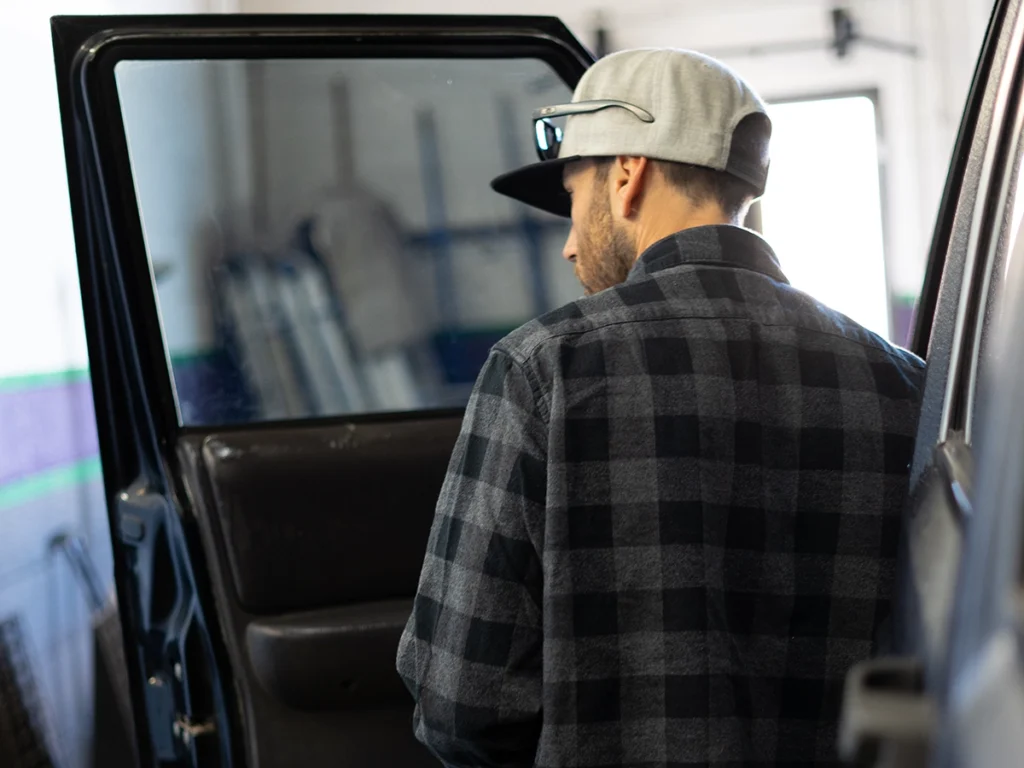
Professional Installation at Our Peoria Shop
High-performance film still depends on proper installation. Clean glass preparation, accurate fit, film handling and attention to the edges all affect the finished result.
Automotive tinting is installed inside our Peoria shop where we can control the environment and inspect the completed installation before the vehicle leaves.
Before we install anything, we’ll help you compare films and shades so you understand what you’re paying for and why.
SunTek Carbon XP Window Tint FAQs
Is Carbon XP ceramic tint?
No. Carbon XP is SunTek’s non-metal nano-hybrid carbon film. CeramicIR and Evolve use different film technologies and sit above CXP in SunTek’s performance lineup.
How much infrared does Carbon XP reject?
SunTek currently publishes approximately 54–56% IRER and 76–79% SIRR for CXP, depending on shade. Handheld meter readings may show different percentages because they use a different testing method.
Is Carbon XP noticeably better than Carbon?
If heat and infrared performance are priorities, yes. Standard Carbon does provide some infrared rejection in real-world meter testing, but CXP is engineered for significantly stronger infrared performance and carries published IRER and SIRR ratings that Carbon does not.
Does darker CXP reject more infrared?
Not by much. SunTek’s published CXP IRER and SIRR figures remain quite consistent across the shade range. Darkness changes visible light, glare and privacy much more dramatically than it changes the infrared rating.
Does CXP block UV?
SunTek’s current specifications list greater than 99% UV protection across the CXP shades in its performance table.
Will CXP interfere with my electronics?
CXP is non-metallic and SunTek describes the film as signal-friendly.
Is CXP good for windshield tinting?
CXP is available in very light shades as well as darker options. We can show you how the different films meter through automotive glass and help you compare the appearance and performance before installation.
How much does Carbon XP cost?
Pricing depends on your vehicle and which windows you want tinted. Give us the year, make and model and we can provide exact pricing before you schedule.
Compare Our SunTek Window Films
CXP gives you another option between standard Carbon and ceramic. Our carbon vs. ceramic window tint guide shows where it fits and what changes as you move through the lineup.
Carbon
Value-focused carbon film.
Carbon XP
Higher-performance nano-hybrid carbon with strong infrared rejection.
You’re viewing Carbon XP.
CeramicIR
Ceramic film with stronger solar and infrared performance.
Evolve
Our highest-performing SunTek automotive film.
Is Carbon XP the Right Film for Your Vehicle?
Tell us what you drive and what matters most to you—heat reduction, appearance, privacy or budget. We’ll help you compare CXP with Carbon and our ceramic options and give you exact pricing before you schedule.