
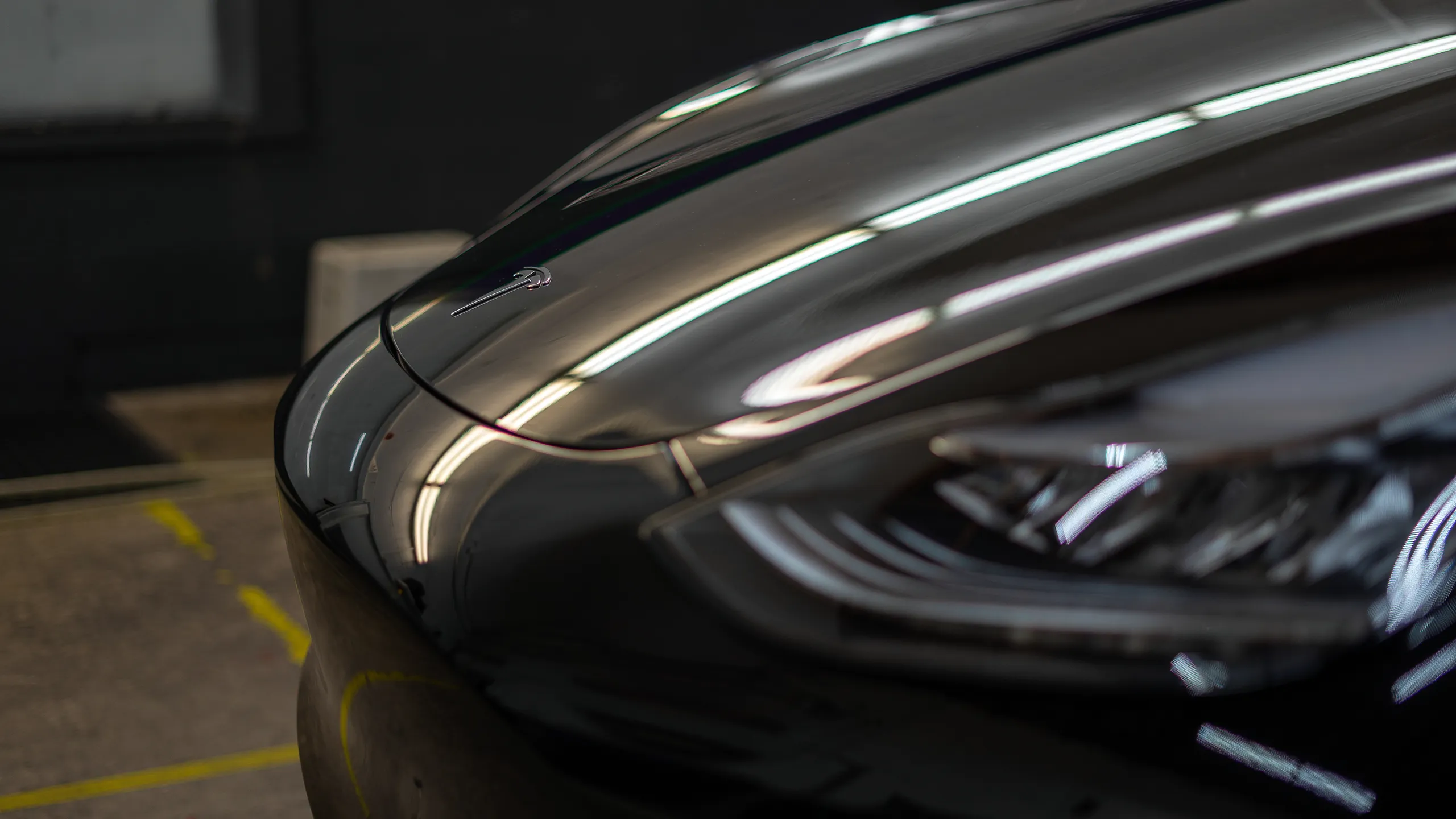
Paint Protection Film (PPF) in Peoria, AZ
Paint protection film—also known as PPF or clear bra—is a nearly invisible layer designed to take the abuse your paint otherwise would.
Rock chips, road debris, scratches, bug damage and everyday wear can permanently mark a vehicle’s finish. PPF creates a durable physical barrier over the painted surface, while modern self-healing top-coat technology helps many light scratches in the film disappear with heat.
From high-impact areas to full-vehicle protection, we install PPF at our Peoria shop and help you choose the coverage that actually makes sense for how you drive.
Rock Chip Defense
Physical Paint Protection
Self-Healing
Light Surface Scratches
Nearly Invisible
Clear Paint Protection
Custom Coverage
High-Impact Areas to Full Vehicle
What Paint Protection Film Actually Does
Your vehicle’s paint is constantly exposed to things that can damage it. Gravel and road debris hit the bumper and hood. Bugs and contaminants collect on exposed surfaces. Shoes, bags, branches and everyday use can scratch high-contact areas.
Paint protection film adds a flexible urethane layer over the painted surface. Instead of every small impact or abrasion reaching the clear coat and paint, the film becomes the sacrificial layer taking much of that abuse first.
That physical barrier is what separates PPF from waxes, sealants and ceramic coatings. Those products can improve appearance and surface behavior, but they do not provide the same type of impact protection against rocks and road debris.
PPF does not make a vehicle indestructible. A severe enough impact can still damage the film or the paint underneath. The purpose is to dramatically reduce the everyday chips, scratches and wear that otherwise accumulate mile after mile.
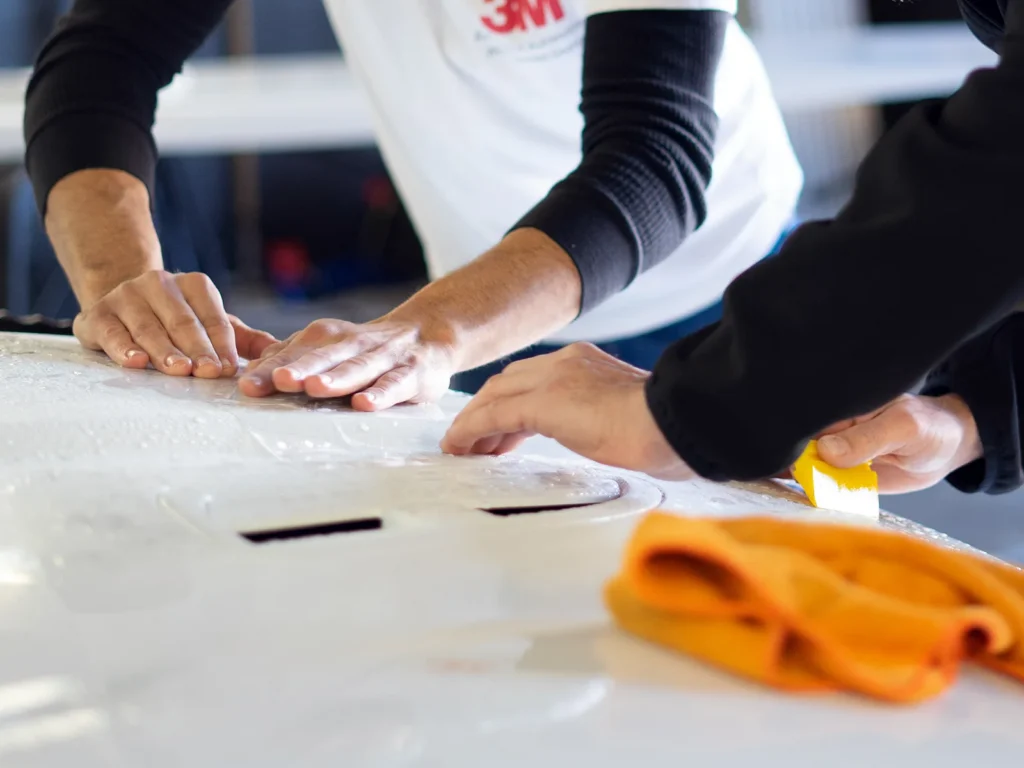
Why Vehicle Owners Choose Paint Protection Film
PPF is about preserving the vehicle you already like—not changing what it looks like.
Rock Chip Protection
A physical urethane barrier helps absorb impacts from gravel, sand and road debris before they reach the painted surface underneath.
Self-Healing Surface
Modern PPF can self-heal many light surface scratches and swirl marks when the film’s surface is warmed by the sun, the vehicle or another heat source.
Preserve the Paint Underneath
Keeping the original finish protected helps reduce the chips, scratches and road wear that otherwise accumulate over years of driving.
Nearly Invisible Protection
High-quality clear PPF is designed for strong optical clarity so the color, metallic and gloss of the paint underneath remain the focus.
Stain-Resistant Surface
Premium PPF top coats help resist staining and reduce the amount of dirt and environmental contamination that wants to remain on the protected surface.
Replaceable Sacrificial Layer
The film takes the abuse first. If a protected section eventually becomes damaged or worn, the film can often be professionally removed and replaced rather than sacrificing the paint underneath.
PPF Coverage Options: From Front-End Protection to Full Vehicle
Paint protection film does not have to be all or nothing. Coverage can be concentrated on the areas that take the most abuse or extended across the vehicle depending on how you drive, what you want to preserve and your budget.
Front Bumper
The front bumper sits directly in the path of gravel, insects and highway debris, making it one of the highest-impact areas on most vehicles.
Full Front Protection
A typical full-front approach protects the bumper along with the hood, front fenders, mirror caps and other forward-facing surfaces most exposed to highway debris. Exact coverage can vary by vehicle and quote.
High-Impact Areas
Rocker panels, lower doors, rear impact areas, door edges and other vulnerable surfaces can be added based on the vehicle and how it is used.
Full-Vehicle PPF
For owners who want the most comprehensive protection, PPF can be extended across the painted exterior rather than limiting coverage to the highest-impact areas.
There is no reason to buy coverage for panels that do not make sense for your goals. We’ll look at the vehicle with you, explain where damage typically occurs and help you choose the protection that provides the most value.
Tesla Paint Protection Film in Peoria, AZ
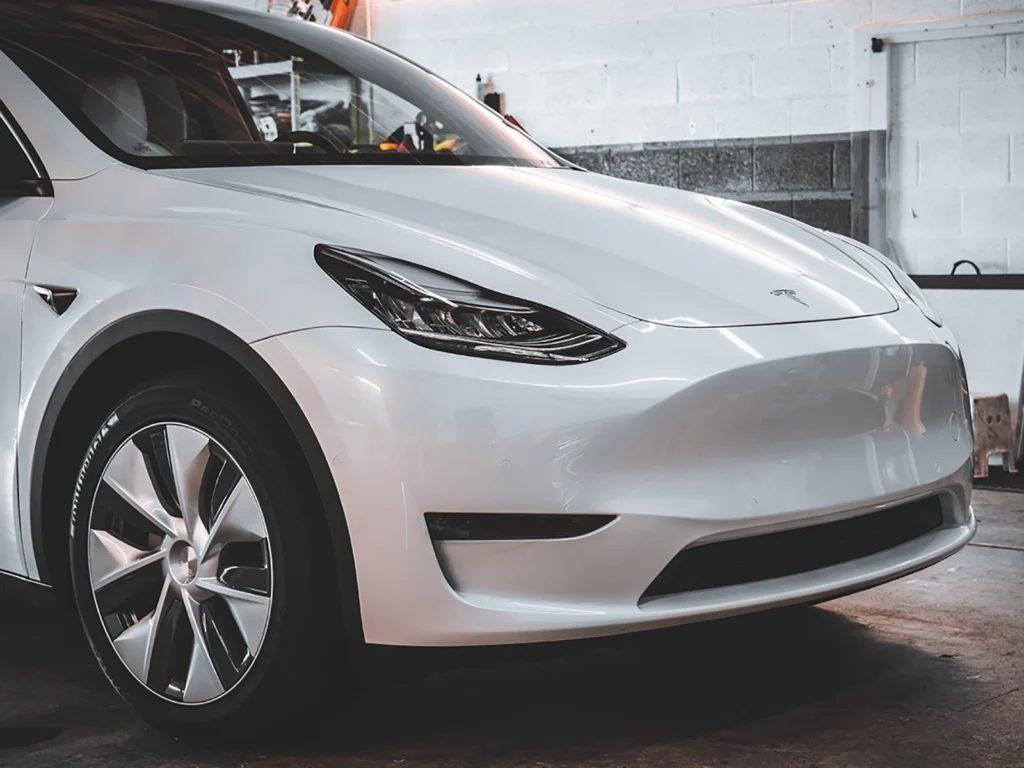
We work on a lot of Teslas, and PPF is one of the services Tesla owners regularly come to us for.
Some owners want to protect the bumper and front-end areas that take the most road debris. Others want broader coverage or full-vehicle protection so more of the original finish stays protected from everyday driving.
Because we regularly work on Teslas, we can walk you through coverage based on the model, the way you drive and the areas you care most about protecting.
Whether you drive a Model 3, Model Y, Model S or Model X, our goal is the same: protect the paint while preserving the clean appearance of the vehicle.
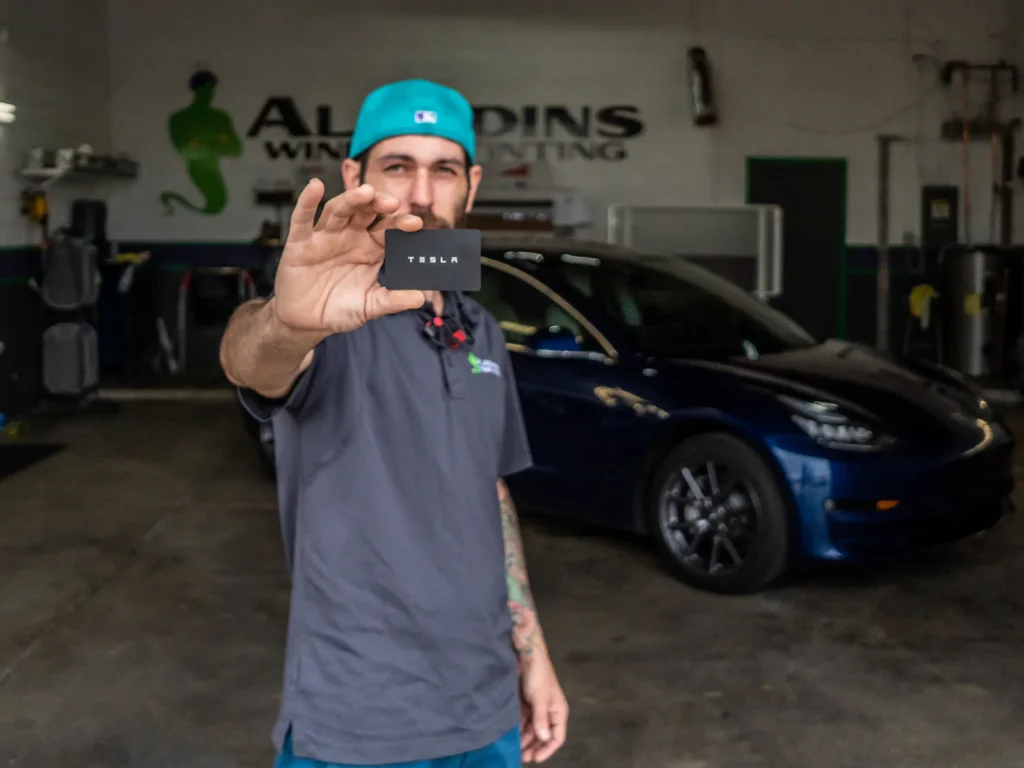
PPF on Real Vehicles We’ve Worked On
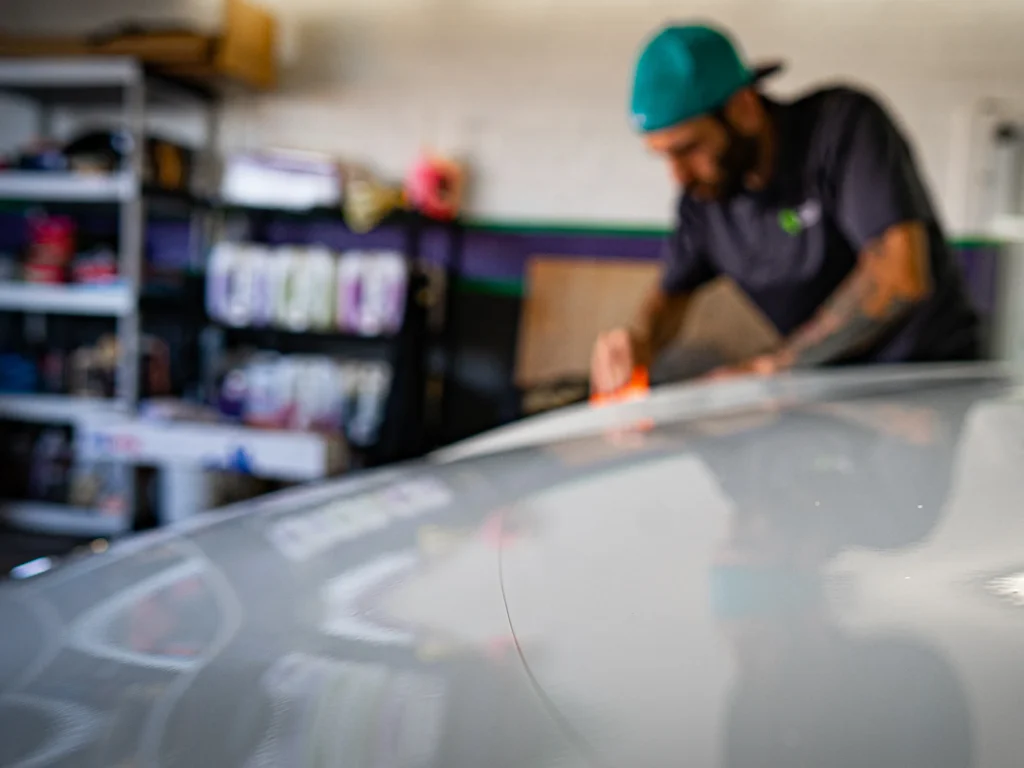
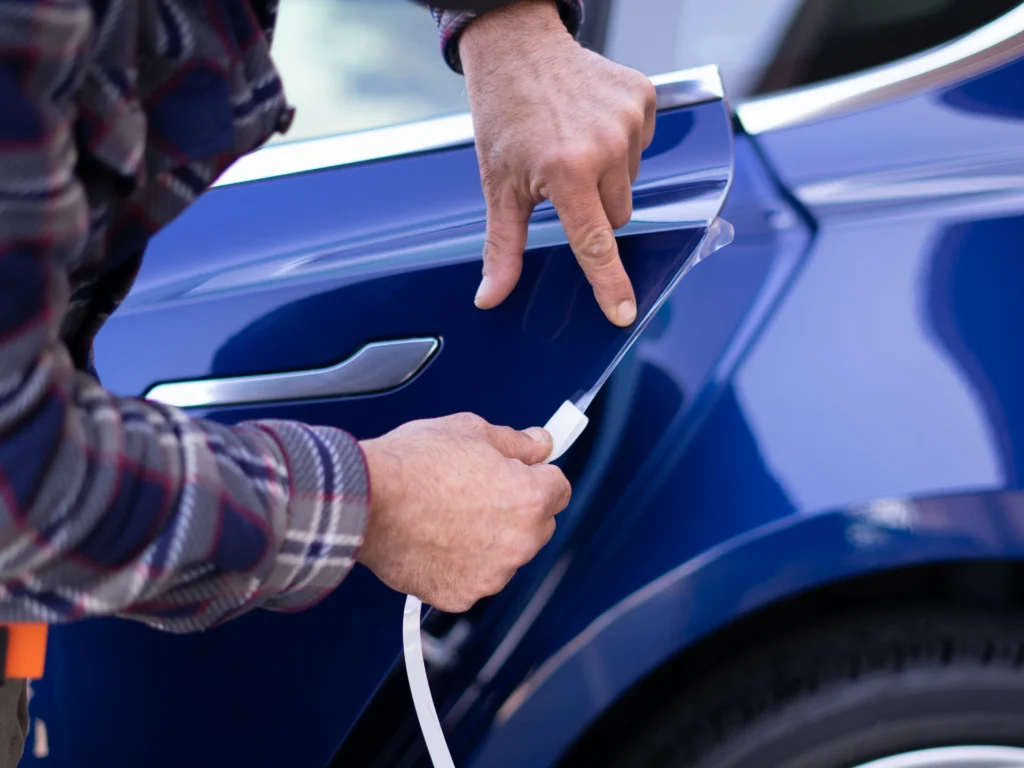
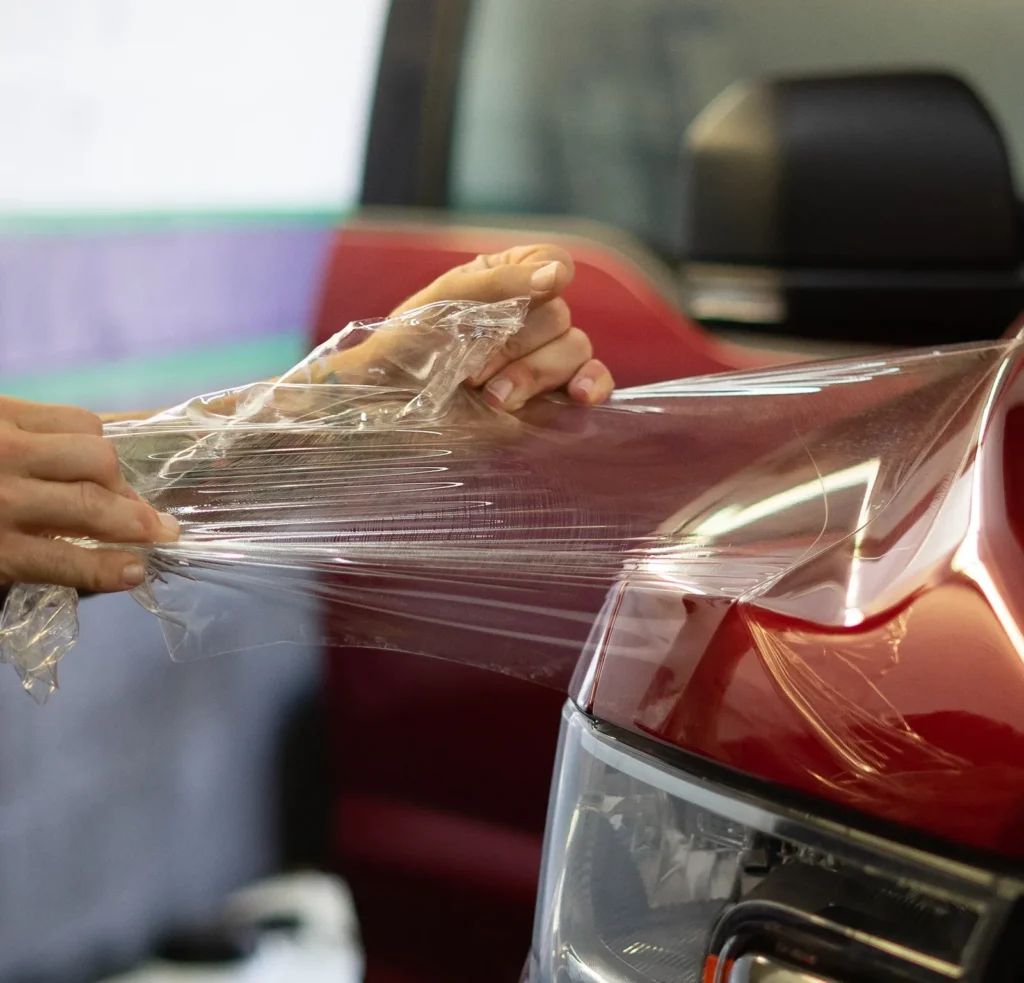
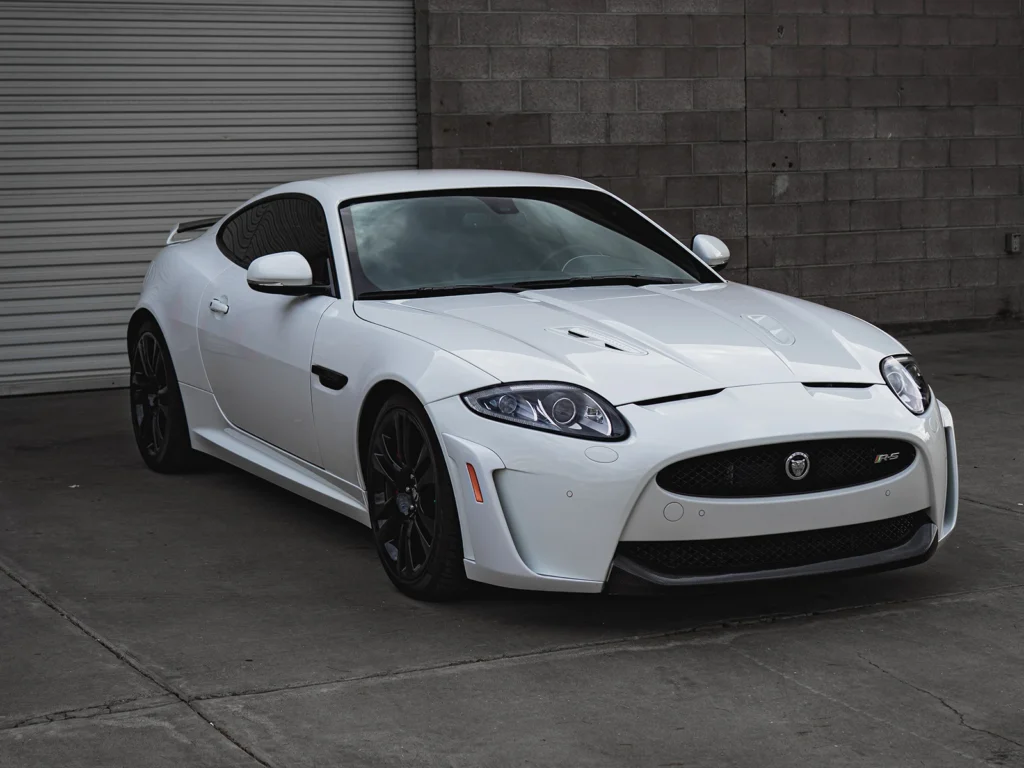
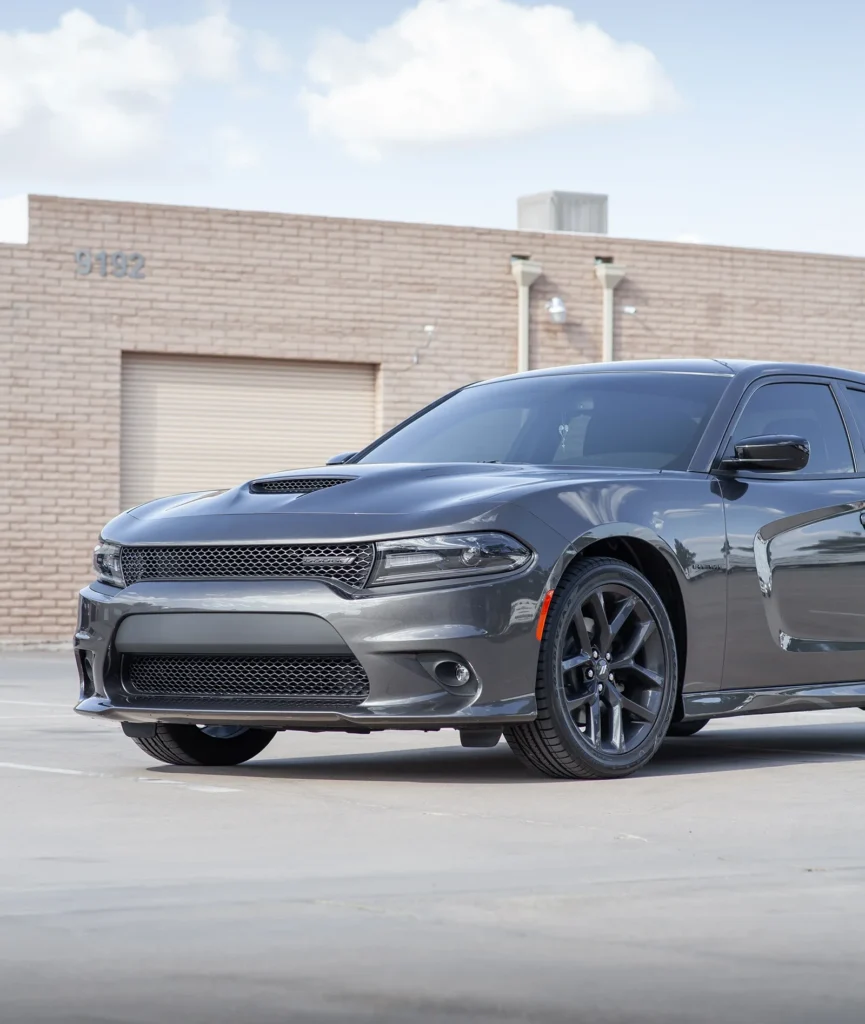
Paint protection film is difficult to appreciate from a product brochure. These are real vehicles we’ve worked on at our Peoria shop, including PPF installations on Teslas and other daily-driven and enthusiast vehicles.
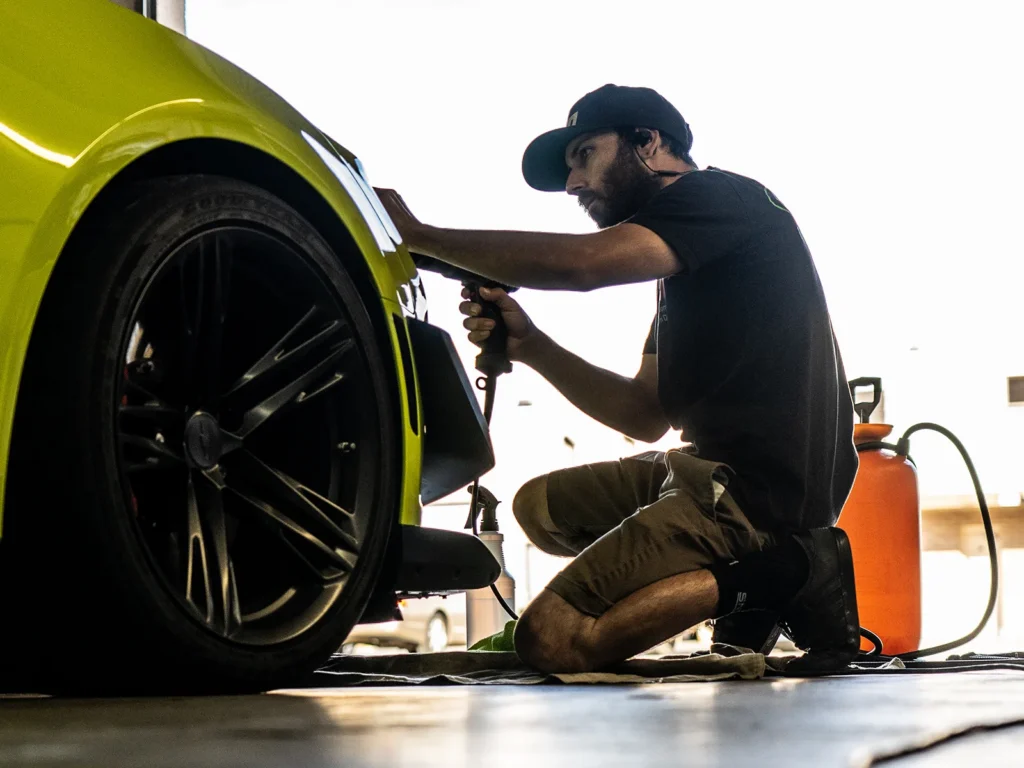
What PPF Will — and Won’t — Protect Against
PPF is extremely effective at what it is designed to do, but good advice also means being clear about what no film can promise.
What PPF Is Designed to Help With
Rock chips and road debris
Light scratches and swirl marks in the film
Bug and environmental exposure
Wear on high-contact painted surfaces
Preserving the appearance of the paint underneath
What PPF Cannot Guarantee
Protection from every high-speed or severe impact
Protection from dents or body damage
Self-healing of deep cuts that penetrate the film
Repair of paint damage that already exists underneath the film
Making a vehicle completely scratch-proof or damage-proof
Why PPF Makes Sense for Arizona Driving
Arizona is tough on vehicle finishes in ways that are easy to underestimate.
Freeway driving, loose gravel, ongoing road construction, desert debris and long stretches behind other vehicles all expose the front of a vehicle to repeated impacts. The damage usually does not happen all at once—it builds one chip at a time.
PPF gives the areas facing that abuse a replaceable layer of protection while leaving the original paint visible underneath.
For a new vehicle, a vehicle with paint you have already worked hard to preserve, or something you plan to keep for years, protecting the finish before the damage accumulates usually makes more sense than trying to undo years of road wear later.
PPF vs. Ceramic Coating: They Protect in Different Ways
Paint protection film and ceramic coating are often grouped together, but they solve different problems.
Paint Protection Film
PPF is physical protection.
The flexible urethane film creates a barrier between road hazards and the painted surface, making it the better choice when rock chips, scratches and impact damage are the primary concern.
Ceramic Coating
Ceramic coating is a surface treatment.
It can improve gloss, water behavior, ease of cleaning and resistance to environmental contamination, but it does not create the same physical impact barrier against rocks and road debris.
You do not necessarily have to choose one or the other. PPF can protect the areas most vulnerable to physical damage while ceramic coating can be used as part of the overall appearance and maintenance strategy for the vehicle.
The PPF We Currently Install: SunTek Ultra
We currently install SunTek Ultra as our primary clear paint protection film.
Ultra gives us the features we expect from a premium PPF, including strong optical clarity, a high-gloss finish, a self-healing surface and SunTek’s HydroResist™ top coat designed to increase stain resistance by limiting water and dirt accumulation.
It is also backed by a 10-year manufacturer limited warranty against covered issues, subject to SunTek’s warranty terms.
We choose products based on how they install, how they look on the vehicle and how they perform for our customers. As film technology continues to evolve, we’ll continue evaluating products rather than building our entire PPF service around a single manufacturer’s logo.
HydroResist™
Top-Coat Technology
Self-Healing
Surface
High Gloss
Optical Clarity (Also available in Matte)
10-Year
Manufacturer Limited Warranty
The Film Matters. The Installation Matters Just as Much.
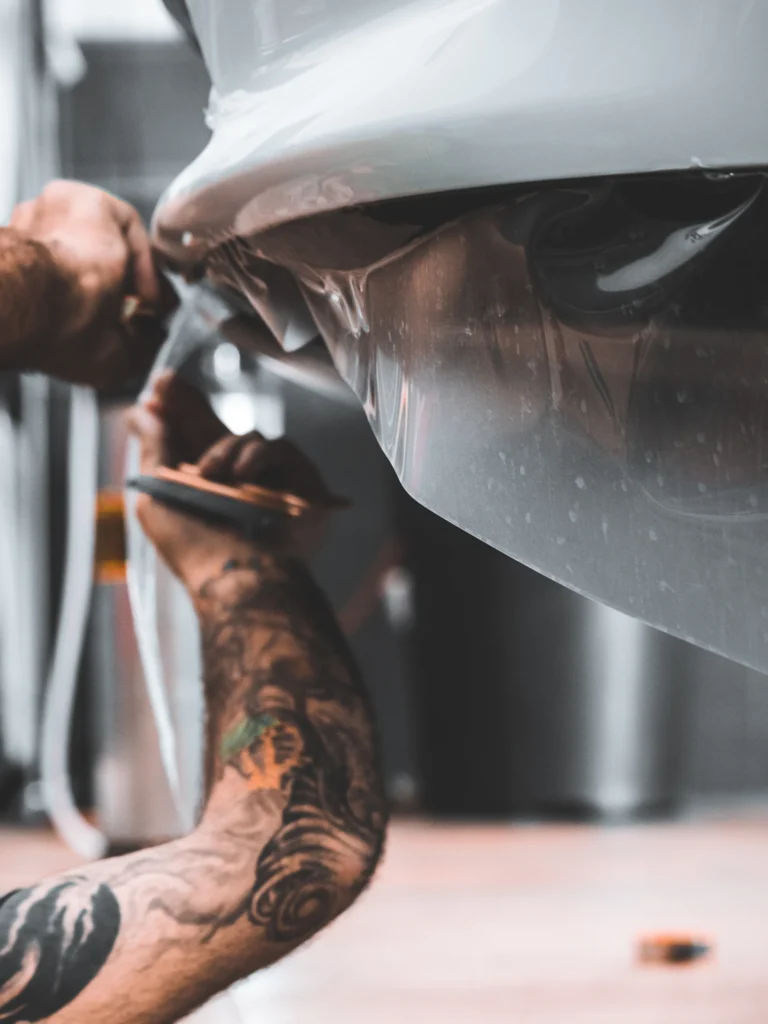
PPF has to conform around bumpers, body lines, sensors, curves, edges and trim while remaining visually clean on the vehicle.
That requires more than simply getting film onto the panel.
The paint needs to be properly cleaned and prepared. Patterns have to be positioned correctly. Alignment, stretch, edge work and finishing all affect how visible the installation is and how well it holds up over time.
We install PPF inside our Peoria shop where we can control the work environment, prepare the vehicle properly and take the time required to fit and finish the film correctly.
The goal is simple: notice the protection when you need it—not the installation every time you look at the vehicle.
How the PPF Process Works
We make the protection plan around your vehicle instead of forcing every customer into the same package.
Talk Through the Vehicle
Tell us what you drive, how you use it and which areas you are most concerned about protecting.
Choose the Coverage
We’ll explain the areas most exposed to damage and help you determine how much PPF makes sense for your goals and budget.
Prepare & Install
We inspect and clean the surfaces being protected, address preparation needs and install the film with attention to pattern placement, alignment, edges and overall finish.
Protect & Maintain
Once installed, the PPF becomes the sacrificial layer taking everyday road wear while proper care helps keep the film performing and looking its best.
Paint Protection Film Care & Maintenance
A quality PPF installation should become part of the vehicle—not something that requires constant attention.
Everyday Care
PPF can be washed and maintained as part of normal vehicle care. Gentle washing practices and keeping contaminants from sitting on the surface unnecessarily will help maintain its appearance.
What Self-Healing Really Means
Heat can repair many light scratches in the film’s surface, but deeper cuts, punctures or severe impacts may not self-heal and can require replacement of the affected film.
Film Can Be Replaced
PPF is intended to be the sacrificial layer. If a section eventually becomes worn or damaged, that panel’s film can often be removed and replaced rather than sacrificing the paint underneath.
Is Paint Protection Film Worth It?
PPF makes the most sense when preserving the paint matters more to you than simply repairing damage later.
That might mean a brand-new daily driver you plan to keep for years, a performance car with expensive paintwork, a vehicle that spends a lot of time on the highway or simply a vehicle you take pride in keeping clean and well maintained.
It may not make financial sense to cover every panel on every vehicle. That is why we prefer to start with how the vehicle is actually used and identify the areas where protection will provide the most value.
For some customers that means protecting only the highest-impact areas. For others, protecting the entire vehicle is worth it. The right answer depends on the vehicle and the owner—not on selling the largest package possible.
Paint Protection Film FAQs
Is PPF the same thing as clear bra?
Yes. “Clear bra” is an older term commonly used for paint protection film installed on the front of a vehicle. PPF is the broader term because modern installations can protect anything from a few high-impact areas to most or all of the painted exterior.
Does PPF really stop rock chips?
PPF is specifically designed to help reduce damage from rocks, gravel and road debris by placing a physical urethane barrier over the paint. No film can guarantee protection from every possible impact, but rock-chip protection is one of the primary reasons PPF exists.
Does PPF self-heal?
Modern self-healing PPF can repair many light scratches and swirl marks in the film’s surface when exposed to heat. Deeper cuts or damage that penetrates the film may not heal and can require replacement.
Will PPF change the way my paint looks?
Quality clear PPF is designed for high optical clarity so the paint remains visible underneath. The condition of the paint, film quality, installation and lighting can all affect the finished appearance.
Can you see the edges of PPF?
That depends on the vehicle, panel shape and coverage. Whenever appropriate, edges can be positioned or wrapped to make the installation less noticeable, but some body lines, panel shapes and coverage choices can require visible film edges.
Can PPF be removed?
Yes. Paint protection film is designed to be professionally removable. Paint condition matters, especially on vehicles that have been repainted or have compromised paint, so removal should be evaluated and performed carefully.
Should paint correction be done before PPF?
PPF protects the surface underneath it, so the condition of the paint before installation matters. If a vehicle has defects that should be corrected first, we can evaluate the paint and discuss whether correction makes sense before the film is installed.
Can ceramic coating go over PPF?
Yes, compatible ceramic coatings can be used with paint protection film when you want physical impact protection along with additional surface and maintenance benefits. The exact recommendation depends on the PPF and coating being used. Before applying a coating, we’ll check compatibility with the film and the manufacturer’s warranty requirements.
How long does PPF last?
PPF lifespan depends on the film, installation, exposure, care and driving conditions. Different products also carry different manufacturer warranties. The SunTek Ultra film we currently install is backed by a 10-year manufacturer limited warranty, subject to the manufacturer’s terms.
How much does PPF cost?
Pricing depends on the vehicle, the complexity of the panels and how much of the vehicle you want to protect. Send us your year, make and model along with the areas you are considering and we’ll give you exact pricing.
Protect the Paint Before the Damage Adds Up
Send us your year, make and model and tell us what areas you’re thinking about protecting. We’ll help you choose the PPF coverage that makes sense for your vehicle and give you exact pricing.